Explore the Refinement of Current Roof Lanterns: Aesthetic Patterns for 2026
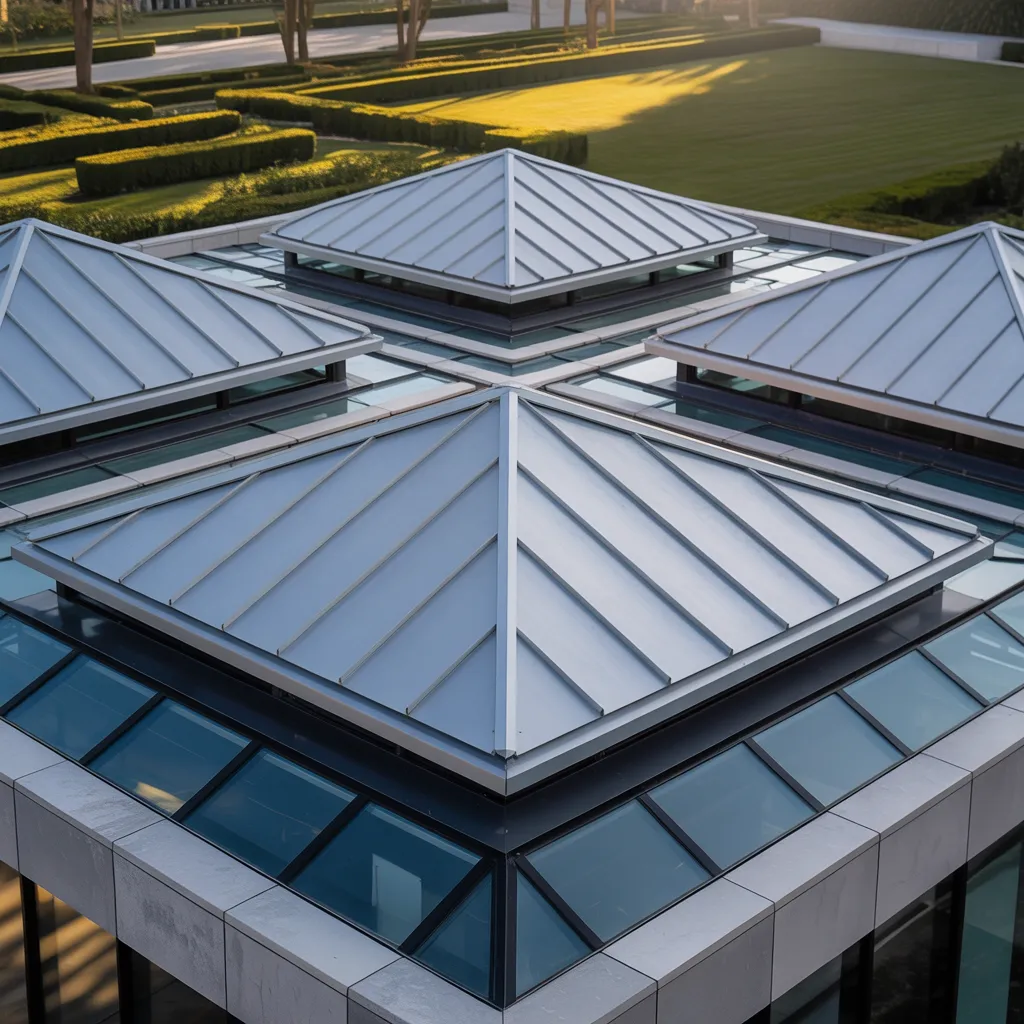
In 2026, innovative architectural skylights are reshaping contemporary architectural standards. Their clean-lined geometric forms and adjustable feature sets present both operational benefits and design merit, appealing to modern design sensibilities. Green-focused materials are now widely adopted, reinforcing ecological awareness with polish. Progressive glazing systems intensify indoor illumination while providing energy efficiency. As these aspects align, they construct comfortable dwellings that convey a pledge to ecological integrity and artistic vision. Why are these lanterns indispensable for modern living environments?
The Perks of Setting Up a Modern Roof Lantern
A state-of-the-art roof lantern functions as a striking architectural feature that enriches both aesthetics and functionality. By facilitating natural light to fill a space, it substantially improves the atmosphere of interiors, establishing a vivid and inviting environment. This inflow of natural light can reduce the dependence on artificial lighting, thus bolstering energy efficiency and potentially decreasing electricity bills.
Furthermore, roof lanterns can help regulate interior climate, allowing for better ventilation and air circulation. This can lead to a more comfortable living space year-round. Their versatile designs can enhance different design approaches, allowing them to work in both contemporary and traditional homes.
In addition, a roof lantern can provide a unique focal point, capturing focus and enhancing the visual appeal to any room. Overall, the installation of a modern roof lantern not only enhances the visual beauty of a home but also improves its practicality and energy efficiency, making it a valuable addition.
Emerging Roof Lantern Materials in 2026
In 2026, the variety of substances for modern roof lanterns demonstrates a combination of innovation and environmental stewardship. Architects and designers increasingly favor environmentally conscious options, like recycled aluminum and responsibly sourced timber. These substances not only curtail environmental impact but also provide a contemporary aesthetic.
Glass stays a popular option, with advancements in efficient glazing solutions allowing superior insulation and ultraviolet defense. This allows homeowners to take advantage of natural light while minimizing energy consumption.
In addition, composite materials are becoming mainstream, fusing the durability of synthetic substances with the visual appeal of realistic finishes. This phenomenon handles both practical and stylistic needs, ensuring longevity without detracting from style.
Ultimately, the materials selected for roof lanterns in 2026 prioritize both functionality and aesthetics, producing beautiful, sustainable solutions that enhance living spaces while meeting modern environmental requirements.

One-of-a-Kind Roof Lantern Options to Transform Your Interior and Exterior Design
A range of roof lantern designs provide a blend of modern and traditional looks that can significantly enhance both interiors and outdoor areas. Contemporary angular patterns provide a sleek, modern appearance, while traditional Victorian influences contribute a touch of elegance and appeal. Examining these different options allows property owners to enhance their spaces with distinctive architectural elements.
Modern Geometric Designs
Contemporary geometric designs in roof lanterns provide a striking combination of functionality and aesthetic appeal. These innovative structures often feature sharp lines, angular shapes, and minimalist frameworks that create a modern look while maximizing natural light. By including materials such as glass and metal, designers deliver a sleek, sophisticated finish that complements various architectural styles. The interplay of light and shadow through these geometric forms enhances both indoor and outdoor spaces, creating visually engaging environments. In addition, customizable options allow homeowners to select sizes and shapes that fit their specific needs, ensuring that each lantern serves as a unique focal point. Ultimately, contemporary geometric roof lanterns elevate spaces with their stylish designs and practical benefits.
Traditional Victorian Aspects
While modern styles govern the marketplace, classic Victorian influences in roof lanterns continue to captivate homeowners seeking to enhance their interiors and exteriors. Marked by detailed ornamentation, decorative frames, and refined glass design, these lanterns evoke a sense of enduring elegance. The use of wrought iron and stained glass is prevalent, reflecting the craftsmanship of the Victorian era. Homeowners value how these designs produce a striking focal point while allowing natural light to fill spaces. In both traditional and contemporary settings, Victorian-style lanterns effortlessly blend history with modernity, providing a unique aesthetic that suits diverse architectural styles. As the design landscape evolves, the enduring appeal of traditional Victorian elements remains a notable trend in roof lantern choices.
Picking the Perfect Roof Lantern for Your Home?
When choosing the ideal roof lantern for a home, homeowners should evaluate both aesthetic appeal and practical advantages. The design should match the design aesthetic of the property, whether it be contemporary, traditional, or somewhere in between. Size is another vital factor; the lantern should adequately suit the space to increase natural light without overwhelming the room.
Choosing materials, such as aluminum or wood, can likewise determine the overall appearance and lifespan of the lantern. Homeowners should assess the type of glazing, as options like double or triple glazing can improve insulation and energy efficiency. Additionally, color and finish should complement with existing decor to achieve a cohesive appearance.
Practical considerations, such as ease of maintenance and installation requirements, are equally important. Ultimately, a aptly chosen roof lantern can elevate a home's interior while supplying lasting functionality and style.
Eco-Friendly Roof Lantern Incorporation
Incorporating green initiatives into roof lantern design gives homeowners an opportunity to improve both aesthetic appeal and ecological responsibility. Modern roof lanterns can be manufactured study from sustainable materials such as reclaimed wood and recycled aluminum, decreasing the carbon footprint stemming from production. In addition, designers are increasingly focusing on high-performance glazing that enhances natural light while reducing heat loss, leading to lower energy bills.
Moreover, integrating solar panels into roof lantern designs allows for collecting renewable energy, further supporting sustainability. The utilization of low-VOC paints and finishes assures healthier indoor air quality, aligning with eco-conscious living.
The concentration on eco-conscious design not only boosts the aesthetic appeal of a home but also corresponds with a rising trend towards sustainable lifestyle choices. As residents prioritize green practices, roof lanterns that embody these ideals will emerge as both aesthetically pleasing and accountable options.
Easy Maintenance Suggestions for Your Roof Lantern
Regular care is important for preserving the visual appeal and usefulness of roof lanterns. To guarantee optimal functioning, it is suggested to clean the glass surfaces regularly using a gentle material and a mild cleaning solution. This stops the accumulation of dirt and grime that can limit natural light. Additionally, examining the seals and gaskets for wear or damage is important; changing them promptly can stop leaks and sustain energy efficiency.
Assessing the framework and supporting structure for rust or corrosion contributes to maintaining durability. If metal parts show signs of degradation, applying a protective coating can lengthen their lifespan. Additionally, during seasonal periods, it is sensible to clear away debris like leaves or snow that could build up on the lantern.
Common Questions Asked Frequently
What Are the Typical Costs of Contemporary Roof Lanterns in 2026?
In 2026, the typical expenses of modern roof lanterns vary between $1,500 to $5,000, determined by elements including size, materials, and architectural intricacy, demonstrating the changing patterns in home architecture and aesthetics.
In What Ways Do Roof Lanterns Shape Your Home's Energy Efficiency?
Roof lanterns maximize home energy performance by amplifying natural light, reducing reliance on artificial lighting. Their design can enhance ventilation, facilitating better temperature regulation, ultimately resulting in lower energy consumption and more sustainable living spaces.
Is it feasible to fit roof lanterns on already built roofs?
Roof lanterns can be mounted on existing roofs, as long as the structural integrity is evaluated. Correct installation guarantees compatibility with the current roofing system and maximizes daylight while elevating aesthetic appeal and energy efficiency in the dwelling.
What Is the Lifespan of a Modern Roof Lantern?
Modern roof lanterns generally have a working life of 20 to 30 years, subject to materials, maintenance, and elements to environmental factors. Regular care can strengthen durability and performance over time.
Are Roof Lanterns fitting with All Types of Weather Conditions?
Roof lanterns work well in assorted climates when correctly mounted and well-designed. Material choices, insulation, and drainage matter to maintain durability and performance during severe heat and cold weather.